
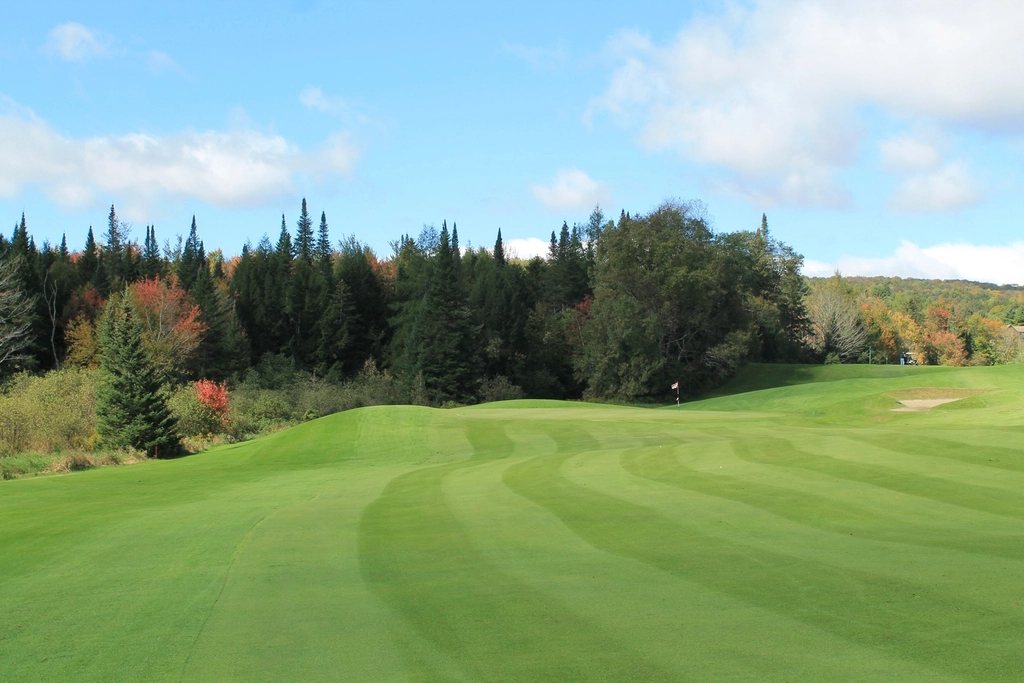
Golf is one of the very few sports that people take up in retirement and keep playing for twenty or thirty years. The game does not ask you to run, jump or collide with anyone, the walk is on soft ground, and the handicap system means a player of 74 can have a fair match against one of 34. But playing well and comfortably past sixty does require a few honest adjustments: to the tees you play, the pace you keep, the equipment you swing and the way you get around the course. This is a guide to those adjustments, written for anyone who wants to still be teeing it up at eighty.
Table of Contents
What changes, and what does not
From about the mid-fifties onward, most golfers lose clubhead speed at a slow, steady rate, roughly one to two kilometres per hour a year, which over a decade turns a 220-yard drive into a 190-yard one. Flexibility in the hips and upper back declines faster if it is not maintained, balance becomes something you have to practise, and recovery from a 36-hole day takes two days instead of one.
What does not change is the short game, the course management, and the pleasure. Chipping and putting depend on touch, not speed, and touch improves with years. A golfer who has played the same course for three decades knows where the ball must not go, which is knowledge younger players lack. Many senior golfers post their best scores relative to par in their sixties, precisely because they have stopped trying to overpower the course.
Choose your tees by distance, not by pride
The single biggest change any older golfer can make is to move forward a set of tees. Courses now offer three to six tee options, and the forward ones exist for a reason: a course of 6,400 yards that was a fair test with a 240-yard drive becomes a grind of long-iron approaches and lost balls when the drive is 190. One widely used guideline is to multiply your typical driver distance in yards by 28 to find the total course length that suits you. A 200-yard drive suggests a course of about 5,600 yards, or 5,100 metres; a 170-yard drive suggests about 4,800 yards, or 4,400 metres.
Playing from the right tees is not giving up. It restores the design of the holes as the architect intended, with the same clubs into the greens that a stronger player would hit from farther back. It also speeds up play, reduces the number of full swings with long clubs that strain the back, and, since your handicap index is calculated against the rating of the tees you play, it costs nothing in fairness.
Equipment that works with an older body
We do not name brands, but we can describe types. Shafts come in flexes, and a softer, lighter shaft loads and unloads more easily for a slower swing, adding height and carry. Drivers with more loft, 12 degrees and up, launch the ball higher and go farther for most golfers past sixty, not shorter as instinct suggests. Hybrids replace the long irons that require speed to get airborne, and many senior golfers carry nothing longer than a 6-iron. Thicker grips ease arthritic hands and reduce the tension that comes from gripping hard. A properly fitted set, which any competent professional can arrange with a launch monitor, is the closest thing to a legal advantage the game offers, and it matters more with every passing year.
Pace: the honest four hours
Older golfers are sometimes blamed for slow play, and the blame is mostly misplaced. Slow rounds come from indecision, from long searches and from hitting a shot that is beyond one’s ability, not from walking speed. A group of seventy-year-olds who play ready golf, hit from the right tees and pick up when a hole is lost can comfortably finish in under four hours. A few habits help:
- Play ready golf outside competition: whoever is ready and safe hits, regardless of honour.
- Pick up once you cannot score better than net double bogey; the handicap system counts that maximum anyway.
- Use a rangefinder or distance app to avoid pacing off yardages, and decide on your club while walking to the ball.
- Book tee times mid-morning on weekdays when the course is quieter, and consider nine holes when energy or daylight is short.
The walking question
Whether to keep walking is the question we hear most from readers past seventy, and our answer is: walk as long as you can, and change how you walk before you stop. A walked round is 8 to 10 kilometres of steady, low-impact exercise spread over four hours, and it is exactly what health guidelines recommend for maintaining heart, bone and muscle into old age. A large Swedish study of about 300,000 golfers found death rates around 40 per cent lower than in the general population, with the strongest benefit among those who played most, and researchers have pointed to the walk as a central reason.
The first change is to stop carrying. A push cart removes the bag’s weight from the spine and lets you walk upright, with no loss of exercise. The second, for those with a hip, knee or heart that needs more help, is a motorized push cart that follows or is steered by remote, so the walk continues but the pushing does not. The third is to ride selectively: a motorized cart on the hilly back nine, walking the flat front. Many courses allow a cart that is driven from tee to fairway while one player walks, and none of this shows on the scorecard. The last step, riding the whole round, is a fine way to keep playing when the alternative is not playing at all. It is simply not the first step.
Whatever you choose, tell your playing partners honestly what you can do that day. A friend who needs to ride the back nine is a better companion than one who limps through it in silence and does not book again.
Keeping the body ready
The routine that keeps older golfers on the course is not complicated: ten minutes of hip and upper-back mobility most days, some balance work such as standing on one leg, a couple of sets of sit-to-stand from a chair for leg strength, and a proper warm-up before every round. Hydrate more than you think you need; thirst is a less reliable signal as we age. Protect skin that has seen sixty summers with a hat and sunscreen. Book an annual eye check and a hearing check, because both affect the game more than a new driver ever will.
And keep the reason in view. Nobody plays into their eighties for the score. They play for the friends who wait on the first tee every Tuesday, for the walk through a landscape they know in every season, and for the one shot a round that comes off exactly as imagined. That is available at any age, from any set of tees.